Aizen's Godhood Costs Him Every Connection
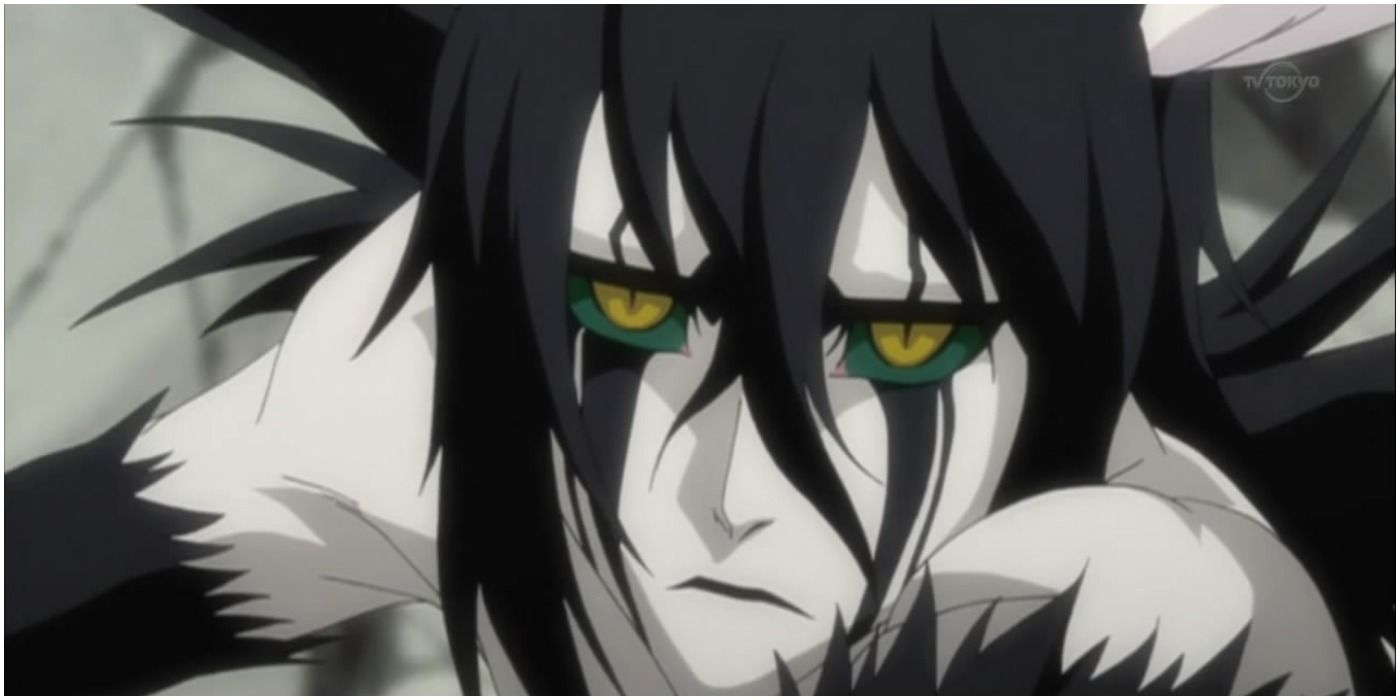
Bleach's power-ranking lists treat Hollows as a hierarchy of destructive capacity. The actual fascination of Tite Kubo's Hollows — especially the ones at the top — has almost nothing to do with fighting ability.
These characters are strongest because they embody a specific philosophical crisis that Kubo returns to obsessively. This crisis concerns what happens when you refuse to accept your own nature and what that refusal costs. Take Aizen Sōsuke.
Aizen sits atop every ranking because his power is genuinely overwhelming, but that's not what makes him matter. His entire arc rests on a single refusal. He will not accept the hierarchy that defines Soul Society and will not accept that some beings are trapped beneath others by nature.
That refusal is not noble. It's beautiful and corrosive at once. He transcends his limits through constant manipulation, remaking his body, his position, his very perception in other minds. By the end, he has achieved something like godhood, but he is also completely alone. No one can touch him, literally or otherwise. The power he accumulated to escape his limitations has become the absolute barrier between himself and connection.
This is what Kubo's strongest Hollows actually demonstrate. Stark commands an army because he is lonely and cannot bear genuine companionship. Ulquiorra becomes nearly invincible through emotional numbness. They are powerful not despite their existential wounds but because of them. Their strength is the wound's most elaborate scar tissue. The ranking lists miss this entirely because they imagine power as a quantity to measure objectively, like height or weight. But in Kubo's vision, power is inseparable from what you had to abandon to get it. When you build your identity around refusing your limitations, you end up powerful and hollow in precisely the measure that you succeed.


