Why Street Fighter Lost Before the Reboot Arrived
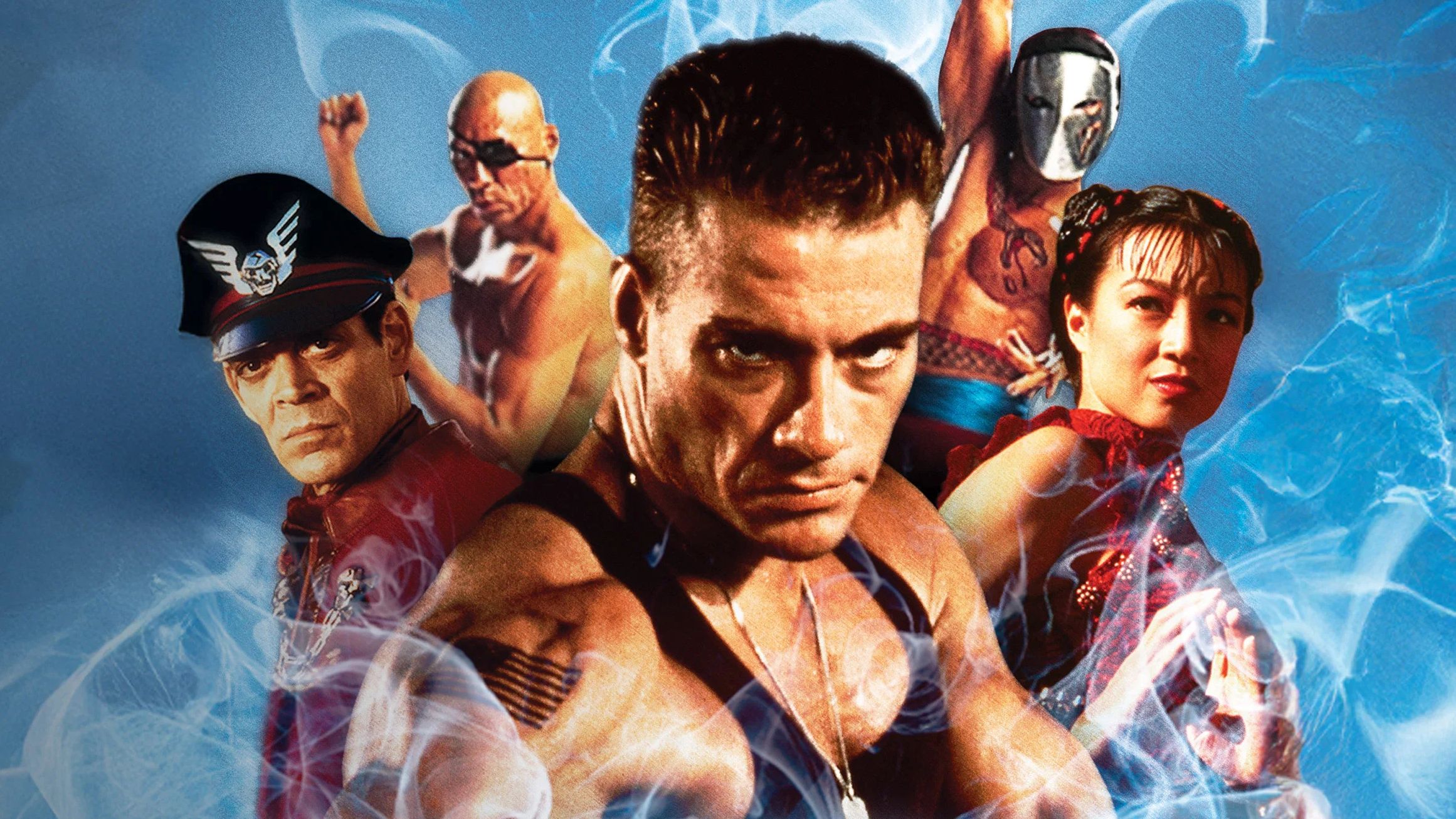
Street Fighter (1994) is being defended again because a new reboot has made the original look worse by comparison. The original's director Steven E. de Souza wants you to know he understood what he was making. But understanding intent does not rescue a film from a structural mistake that was never actually about Street Fighter.
De Souza faced a problem that has crushed every video game adaptation since: the source material has no narrative. Street Fighter is a character select screen and a series of modular fights. There is no plot, no arc, no reason Ryu meets Ken. This is not a void — it is a design choice that gives the game its particular power. Each player writes the story.
Instead of treating that structure as a constraint that could generate something new, de Souza and the filmmakers behind Super Mario Bros. (1993) did the same thing. They looked at narrative absence and saw a blank check to invent one. Fill it with Hollywood formula. Add a villain. Add stakes. Add spectacle to replace what the game never needed. Both films failed because they were fighting their source material's most interesting quality, not working with it.
Then something shifted. Castlevania: Nocturne (2017) built its visual language directly from the game's mechanical structure — the whip as the unit of narrative action, the castle as a series of nested obstacles. Arcane (2021) took League of Legends's modular character system and used it to structure a story about separate worlds and irreconcilable perspectives. Both directors looked at what games cannot do and built their version around that emptiness instead of refusing to fill it.
Both directors looked at what games cannot do and built their version around that emptiness instead of refusing to fill it.
”When you stop seeing game mechanics as constraints to escape, they become constraints to work inside. Which is where aesthetic language lives. The 1994 Street Fighter failed because it was defending against the wrong problem. It was not a matter of fidelity or directorial vision. It was that Steven E. de Souza treated the game's absence of plot as something he had to fix, when the entire craft of adaptation is learning what not to add.


